

Price list
Profile
Management
0901 868 786
Price list
Profile
Management
0901 868 786
Transporting a washing machine may seem straightforward, yet it harbors serious damage risks if mishandled. SEC Group—a professional transport provider in HCMC—shares how to transport a washing machine safely and technically correct, safeguarding your appliance while conserving expenses. Whether you are relocating residences, shifting floors, or shipping across long distances, the steps below render the process effortless and efficient.
An average washing machine weighs roughly 50–80kg, housing vulnerable electrical circuits and sensitive water conduits. Mere tilting, impacts, or residual trapped water can induce electrical leakage, circuit board failures, or drum axis misalignment. Consequently, correct washing machine transport techniques remain vital for ensuring appliance durability and long-term operational stability.
Executing correct techniques—spanning draining, drum anchoring, shock-proof packaging, and upright transit—minimizes scratching while preserving warranty validity. According to SEC Group, 80% of residential moving mishaps stem from improper equipment relocation, with washing machines accounting for the highest proportion. Thorough preparation and adherence to workflows protect equipment, guarantee electrical/water safety, and safeguard handlers.
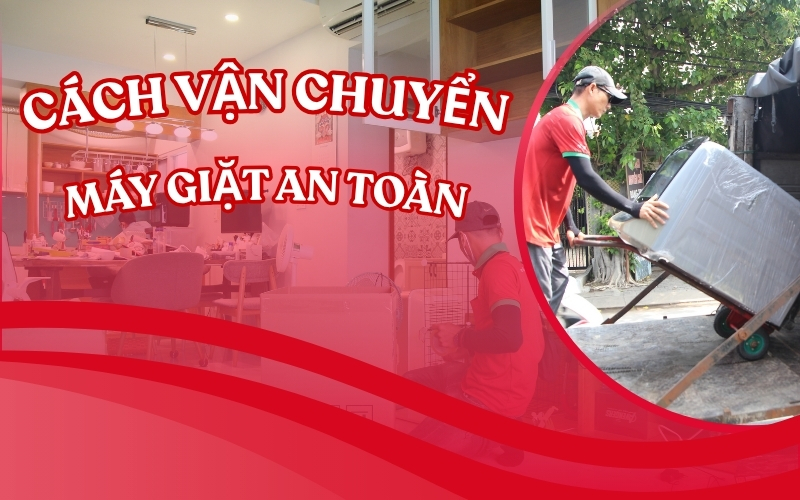
Preparation governs 70% of successful washing machine transit outcomes. Draining water, disconnecting power, and anchoring the drum prior to movement prevent structural damage.
Prior to transit, execute spin and drain cycles to expel residual water from conduits and drums entirely, preventing leaks and protecting electronic components. Subsequently, wipe interior and exterior surfaces dry—particularly rubber gaskets, detergent trays, and door rims where moisture and odors accumulate. Next, leave doors ajar for 1–2 hours for natural air-drying to inhibit mold and foul odors. Once fully desiccated, packaging and secure transit proceed smoothly with minimal damage risks.
A pivotal preparation step involves securing power and water disconnections safely. Unplug electrical cords, auditing carefully against leakage. Next, detach inlet and drain hoses gently, utilizing dry towels or plastic bags to seal hose terminals securely against fluid discharge. Finally, anchor electrical cords and hoses neatly along the appliance body using packing tape to streamline handling and prevent damage.
Proper packaging minimizes collisions and scratches during transit. Deploy foam padding, bubble wrap, or heavy-duty cartons around the appliance body. Front-load models demand specialized transit bolts to anchor drums, suppressing vibrations and axis misalignment. Finally, wrap exterior layers in PE stretch film, sealing corners securely with robust tape to guarantee absolute asset safety throughout movement.
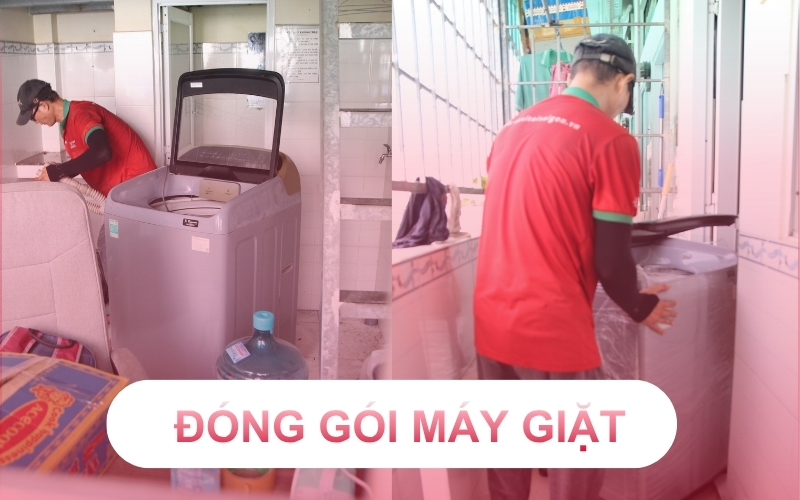
Packaging and protecting washing machines for long-distance transit
Connect instantly: Reputable Home Relocation Services in HCMC assist in transiting bulky possessions while conserving time and physical exertion.
Safe, technically correct washing machine transport adheres to a foundational 5-step workflow. Each phase mitigates damage hazards, ensuring operational stability throughout movement.
Procure compact hand trucks, anti-slip gloves, and robust lashing straps or ropes. Models exceeding 60kg mandate at least two handlers: one balancing the body while the other pushes or supports the base. Lacking hand trucks, rolling dollies or wooden planks assist short indoor maneuvers.
Avoid dragging machines across floors to prevent base distortion. Maintain upright postures, lifting from the base using both hands without tilting beyond 45° to prevent axis misalignment or fluid backflow. Positioning atop hand trucks, orient the appliance front facing the travel direction, anchoring securely via soft straps to suppress vibrations across uneven terrain.
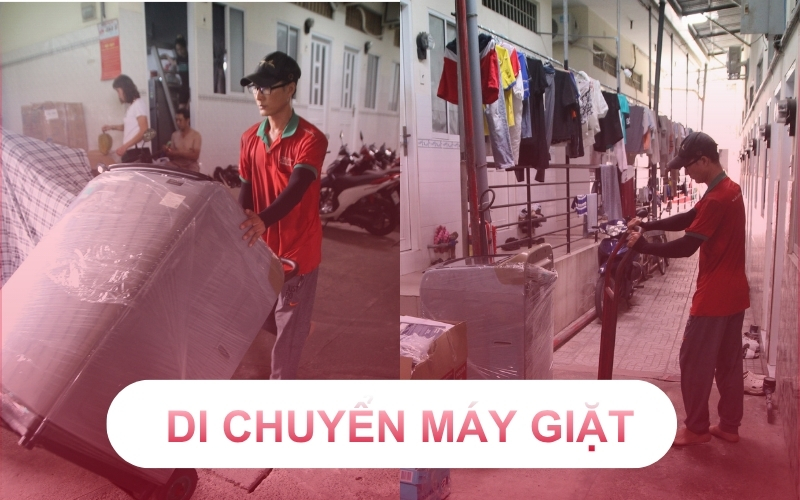
Maneuvering washing machines via specialized hand trucks
This critical phase presents maximum contingency exposure. Shifting across upper floors warrants wide passageways with minimal corners. Lower handlers support heavier weighted bases while upper handlers preserve balance, stepping deliberately stair by stair. Never apply brute dragging force causing wall impacts. Confined stairwells warrant mini lifts, pulley cables, or sliding ramps to conserve stamina and suppress mishap risks.
Long-distance transit mandates dedicated trucks. Position appliances flush against vehicle partitions over foam padding, preserving upright vertical postures. Avoid tilting or laying flat to prevent motor oil leakage and drum misalignment. Secure 4 corners with lashing straps, prohibiting heavy cargo placement atop appliances—especially control panels and lids.
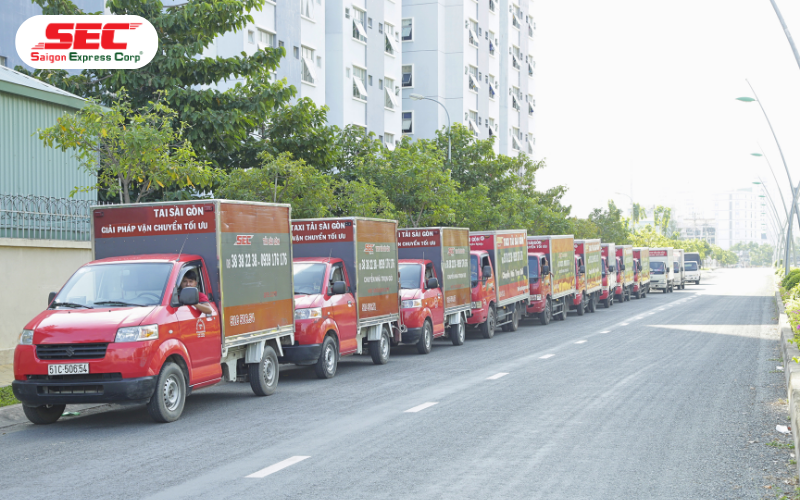
Saigon Express's dedicated specialized transport fleet
Arriving on-site, place machines upon dry, level flooring, removing protective wrapping to inspect electrical cords and hose conduits. Prior to operation, await a 2–3 hour stabilization window allowing motors and shaft lubricants to settle, preventing heavy operational vibrations.
Pro Tip: Front-load models warrant securing transit bolts prior to relocation to prevent axis shifting and preserve shock-absorbing systems. Adhering strictly to these steps ensures appliance safety, durability, and long-term stability.
Varying transport methodologies mandate distinct precautions ensuring safety. Self-managed moves or hired services alike require preserving upright vertical postures, mitigating impacts, vibrations, and water leaks. Safeguarding drums, cords, and hoses via measured, technical transit guarantees operational stability.
Transporting washing machines via motorcycle applies exclusively to compact, lightweight models across short intra-city distances. Ensure safety via the following measures:
Appropriate Vehicles: Prioritize manual gear motorcycles or three-wheelers; prohibit scooters due to inadequate footboard stability.
Anchor securely utilizing specialized webbing or cargo lashing ropes.
Insert rubber pads, thin blankets, or corrugated cardboard between appliances and motorcycle seats to suppress slipping and damp vibrations.
Maintain velocities below 30km/h, steering clear of uneven terrain, potholes, or sharp cornering.
Execute slow maneuvers, preserving balance against tilting.
Rainy conditions mandate enclosing appliances within waterproof polyethylene sheeting against moisture infiltration to protect electronics.
Confirm appliances are fully surface-dried prior to restarting to prevent electrical short circuits.
Shifting washing machines across upper floors demands rigorous attention guaranteeing equipment and handler safety. Essential guidelines encompass:
Utilize Elevators (if available): Leverage building elevators for effortless transfers, suppressing vibrations and mishap risks.
Elevator Absences: Deploy chain blocks, pulley cables, or compact manual pallet jacks to hoist units, conserving physical exertion and slip hazards.
Mandate at least two assisting handlers during transit—one preserving balance, the other directing maneuvers.
Narrow Stairwells or Complex Corners: Temporarily detach lids or base assemblies to streamline maneuvers.
Prohibit floor dragging to prevent frame distortion, base fracturing, or paint scratching.
Professional Resolution from SEC Group: SEC Group crews deploy mini lifts and specialized lashing straps, guaranteeing washing machines transit securely without impacts or flooring damage.
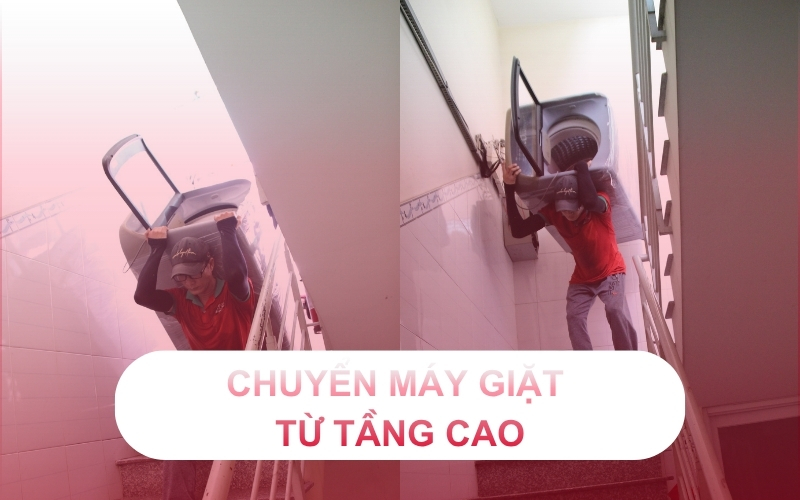
Professional relocation crews transiting washing machines from elevator-free upper floors
Lacking experience or specialized apparatus, engaging professional washing machine transport services remains the safest, most efficient avenue. Professional entities maintain rigorously trained workforces, mitigating scratch, axis misalignment, and component damage risks during movement.
Prioritize providers featuring cargo insurance and explicit compensation policies to safeguard rights against contingencies. Concurrently, audit contract terms thoroughly—encompassing pricing, execution timeframes, and packaging protocols.
Reputable providers like SEC Group - Saigon Express further extend complimentary dismantling/installation, shock packaging, and intra-city transport for turnkey home moving clients—conserving budgets while guaranteeing rapid, secure, professional executions.
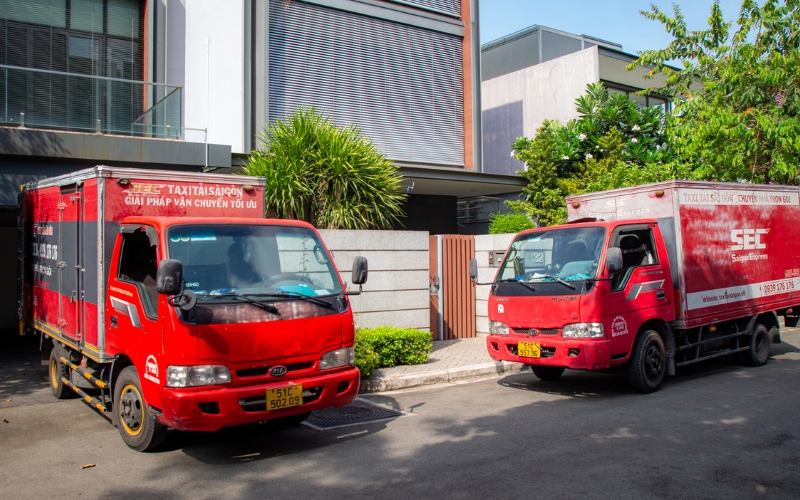
Saigon Express - Professional truck taxi provider specializing in cargo, home, and office relocations
Long-distance washing machine transits—particularly exceeding 30km or inter-provincial shipping—warrant heeding explicit guidelines:
Engage professional transport providers experienced in handling electrical appliances.
Package securely using heavy-duty cartons or wooden crates; insert shock-absorbing foam across all four corners to anchor units.
Affix explicit warning labels across crates: "Upright Position – Fragile", prompting heightened care from drivers and handlers.
Deploy specialized trucks featuring shock-dampening systems, flat flooring, and secure lashing straps.
Prioritize operators equipped with cargo lifting apparatus, ensuring gentle handling devoid of impacts.
With SEC Group, every cargo consignment undergoes inspection, sealing, and GPS tracking, ensuring washing machines remain secure and deliver punctually.
|
Criteria |
Self-Managed Transit |
Professional Transit Services |
|
Tariffs |
Lower across short transits |
Incurs fees but delivers turnkey security |
|
Risk Exposure |
Elevated risk of equipment damage |
Minimal risk, backed by insurance and specialized crews |
|
Supporting Tools |
Lacking, makeshift auxiliary tools |
Equipped with hand trucks, straps, and specialized apparatus |
|
Execution Time |
Consumes extensive time |
Expedited execution via on-site assisting crews |
|
Contingency Liability |
Self-absorbed accountability |
Reimbursed per contract terms |
Correct washing machine transit preserves equipment while conserving time and expenditure substantially. Should you require assistance transiting washing machines, refrigerators, or household appliances, SEC Group stands ready alongside professional personnel, explicit workflows, and devoted service. Connect with SEC Group - Saigon Express for immediate complimentary consultations and surveys today.
AUTHORS

Call center :
0901 868 786
Hotlines Ho Chi Minh :
0901 868 786 - 0939 176 176
Hotlines Ha Noi :
0949 668 875 - 0931 228 875
Hotlines Can Tho :
0901 868 786 - (028) 3776 0700
Hotlines Da Nang :
0901 868 786 - (028) 3776 0700
Hotlines Hai Phong :
0901 868 786 - (028) 3776 0700
24/7 support and Zalo:
0901 868 786



 HO CHI MINH:
Add: 121 Hoang Quoc Viet, Phu Thuan Ward, District 7, City. HCM
Tel: 0901 86 87 86 - (028) 3776 0700
Email: kinhdoanh@sec-warehouse.vn
CAN THO:
Add: National Highway 1A, Hung Thai Ward, Cai Rang District, Can Tho (New Can Tho Bus Station)
Tel: 0901 86 87 86 - (028) 3776 0700
Email: kinhdoanh@sec-warehouse.vn
HA NOI:
Add: 98 Nguyen Van Giap Street, Cau Dien Ward, Nam Tu Liem District, City. Hanoi
Tel: 0949 668 875 - (024) 7302 2227
Email: info.hanoi@sec-warehouse.vn
HAI PHONG:
Add: Vinh Niem Industrial Cluster, Le Chan District, City. Hai Phong
Tel: 0901 86 87 86 - (028) 3776 0700
Email: kinhdoanh@sec-warehouse.vn


DA NANG:
Add: Lot 39, Street 2, Da Nang Industrial Park, An Hai Bac Ward, Son Tra District, City. Danang
Tel: 0901 868 786 - (028) 3776 0700
Email: kinhdoanh@sec-warehouse.vn


.png "Viber 0901868786")